
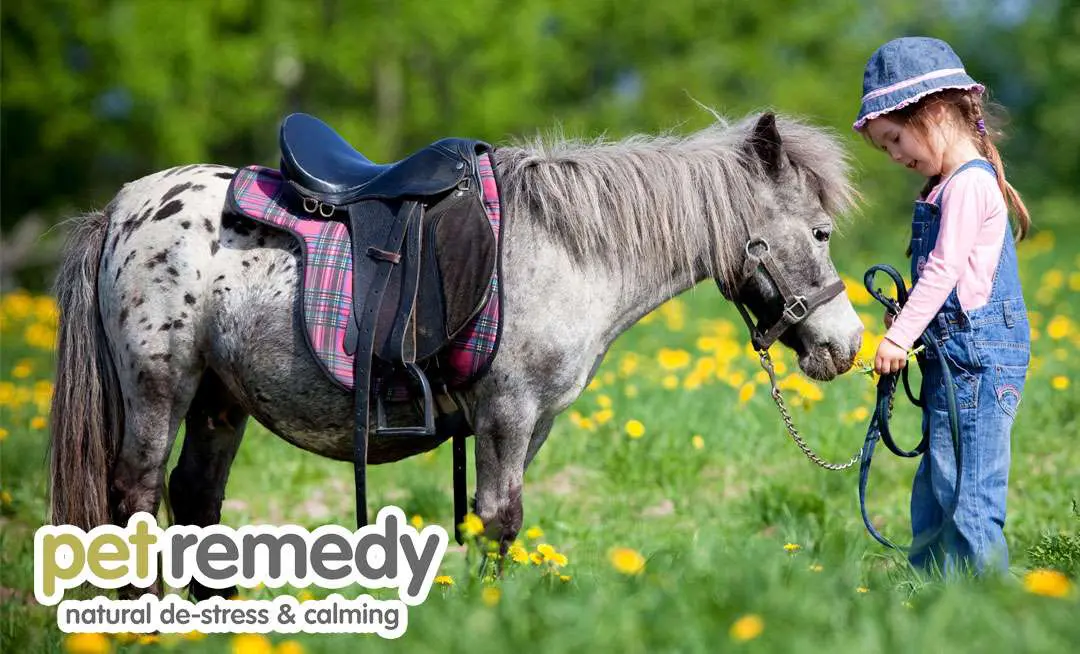
If you’re looking into owning a horse, it’s vital that you do lots of research beforehand. Horse ownership is a huge commitment, so it’s essential that you know everything there is to know before you take the plunge.
Can you afford it?
Horses can soon make a dent in your wallet, so you need to be aware of all the costs involved. As well as the cost of purchasing the horse in the first place, you’ll need to pay for keeping the horse, such as in a livery yard, as well as food, supplements, tack and equipment, bedding, regular farrier expenses and veterinary bills. You might also need to pay for extra lessons if you’re not proficient in horse riding.
Keeping the horse
You’ll also need to decide where you’ll keep the horse. You may be lucky enough to have sufficient land to keep your horse on, or you could consider renting space. Alternatively, you could look at keeping your horse in a livery yard, which will involve paying for fees and other costs, such as care from a yard manager or owner. Whichever option you choose, make sure you have the time to commit to looking after your horse, and always choose an environment that is safe, calming and without any stress for your animal.
Space requirements
Horses need sufficient room for grazing, exercise and shelter, so only get a horse if their needs can be adequately met. Most horses require about 1.5-2 acres of space.
Exercise requirements
One of the biggest commitments involved with owning a horse is making sure they get enough exercise, especially for those that are kept in stables. Exercise is vital for the health and wellbeing of a horse and can help improve digestion, circulation and avoid problems such as swelling of the legs. How much exercise a horse needs can vary, depending on the breed, where it is kept and whether you are training it at a competitive level.
Generally, you should look to give your horse a couple of hours of exercise daily, whether ridden or led. Riding a horse regularly is also important for the horse as it can help to tone its back and girth.
However, horses that are pastured and can move about freely may require less time being led or ridden.
Nutrition and health
Horses need feeding little and often. To keep their digestive system in good working order, they’ll need plenty of roughage, such as hay, grass and haylage, as well as a fresh supply of water. Older horses may need additional supplements and feed.
Horses will require regular visits from the farrier, approximately every couple of months, to keep their feet and shoes in good condition. They’ll also need to see the vet regularly, for twice-yearly injections, as well as worming treatments every two months.
Introducing a new horse
If you’ve already got a horse and are adding a new one to the fold, it’s important to do this gradually, to reduce any signs of pet stress and anxiety. Let them get to know each other gradually, such as from over a fence first. Make sure there is enough space for them to become acquainted, and always keep an eye on them, as an anxious horse could cause injury to another animal.
Horses that suffer from anxiety, whether being introduced to another animal or new surroundings, can benefit from Pet Remedy products, which are natural solutions that work instantly to calm and settle their nerves. Contact us today to find the right calming products for your horse.