
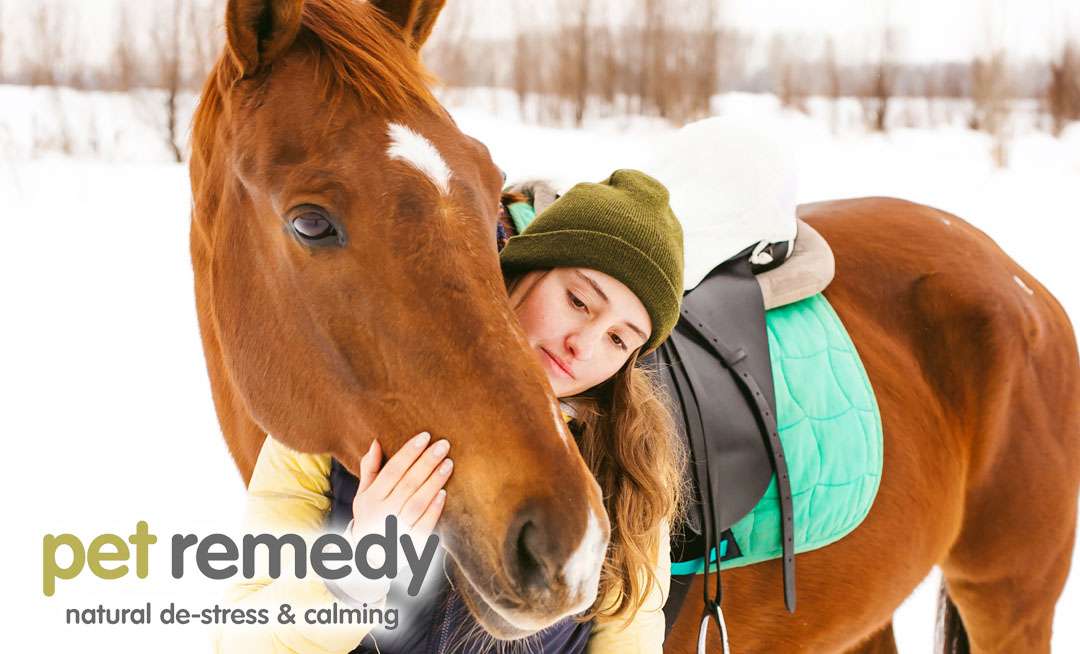
With winter looming, horses will be spending more time stabled. Keeping your horse healthy through winter – including enriching their quality of life during the dark days – is vital to their physical and emotional well-being.
Providing emotional support for your horse is as important as carrying out the extra cleaning if they’ve been out in muddy fields. The forthcoming festive period is about spending time with loved ones, including your four-legged friends, so stick to your routine, no matter what.
Wintering your horse undoubtedly presents more challenges than summer horse care. Whether you’re mucking out on Christmas Day, driving to the stable yard in snow, or dealing with frozen taps and water buckets, you may not be feeling very jolly!
Do horses suffer from stress?
Your horse will most likely be feeling the same way. Horses are social animals and are not meant to remain alone for long periods. Confinement and isolation can leave them missing friends, freedom and forage. The longer a horse spends alone, the more anxiety will begin to get a grip, according to the RSPCA.
Research carried out by the animal charity found some horses were being stabled for up to 23 hours a day in winter. This had a profound effect on their emotional health. Dealing with boredom can lead to frustration and pet stress.
While stabling for longer periods can be necessary in freezing weather, the RSPCA says the horses’ environment is one of a number of crucial factors that influence their mental state. The other factors are nutrition, general health and behavioural interaction.
Physical well-being for your horse
There are simple things you can do to help your horse stay well physically in winter. If the temperature plummets, help them cope with the wind and rain when outdoors by providing a horse rug if it’s particularly chilly.
Keep checking underneath the rug regularly for signs of irritated skin. This can occur if your horse is sweating and then dries off under a rug. Bacterial skin problems may result if signs of irritation aren’t detected early enough.
Avoid feeding your horse Christmas treats, as their gut bacteria adapt slowly to changes in diet. Any sudden changes, such as rich foods, may even cause colic. Your horse needs a high-fibre diet all year round, so leave plenty of hay in the stable. Horses can eat fruit, such as an apple, as a treat.
Keep to your usual routine
Christmas is just another day to your horse, so don’t have a long lie-in and go late to the stables, as this will cause extra stress. Try to stick to your usual routine, even if it’s freezing outdoors and you’re spending the festive period with friends and family.
If your horse is cooped up 24/7, this will lead to boredom. If you can’t avoid changing your routine, it’s possible to purchase natural, calming products that can help stressed pets, including horses, to feel more settled. It’s a way of calming your pet without sedating and can start to help immediately.
You can also turn your horse’s care into a social occasion if you work alongside other horse owners at the stable yard. Organise a festive get-together, such as breakfast or brunch, to make it more fun for the horses and owners.
Stop at a cafe and buy takeaway coffees and breakfasts on the way. It will give you a boost before tackling your cleaning chores and will mean you’re spending more time with your horse too.
Winter care for an elderly horse
Just like humans, elderly horses will feel the cold more. They have a heavy winter coat to help protect them from the elements, so it may be preferable to avoid clipping your horse until the weather is warmer again. It’s like feeling chilly when you go outdoors without your winter coat.
Whatever your horse’s age, make sure the stable doesn’t have any draughts or leaks, so carry out winter maintenance before the weather gets too bad. Make sure your horse is eating and drinking well and wearing a rug to maintain body heat when standing around for long periods.
Watch out for winter ailments, especially if the conditions are wet, cold and muddy, including slight changes in behaviour and general condition. Have the vet’s emergency out-of-hours number to hand as Christmas approaches.
The main thing to remember is to give your horse time out of the stable and daily exercise in winter. You’ll enjoy your own Christmas more knowing your equine friend is happy too.
Sources:
https://kb.rspca.org.au/knowledge-base/should-i-stable-my-horse/